









 New Code Sent!

How much water does a washing machine use?
If you’re looking to save on your water bill or are simply trying to be more cognizant of your water use, consider how much water your washing machine uses. Generally speaking, new high-efficiency (HE) washing machines offer greater water efficiency than older machines. Many HE washers are ENERGY STAR® certified, which means they use about 20% less energy and 30% less water than regular washers.1
ENERGY STAR states that, on average, an ENERGY STAR® certified washer uses 14 gallons of water per load, while a standard washing machine uses 20 gallons of water per load.1 Based on this, an ENERGY STAR® certified washer could save you about 6 gallons of water per load compared to a regular washer.
This guide from Whirlpool brand will cover the difference between HE and regular washers, what factors determine water usage and tips to help make your machine more water-efficient.
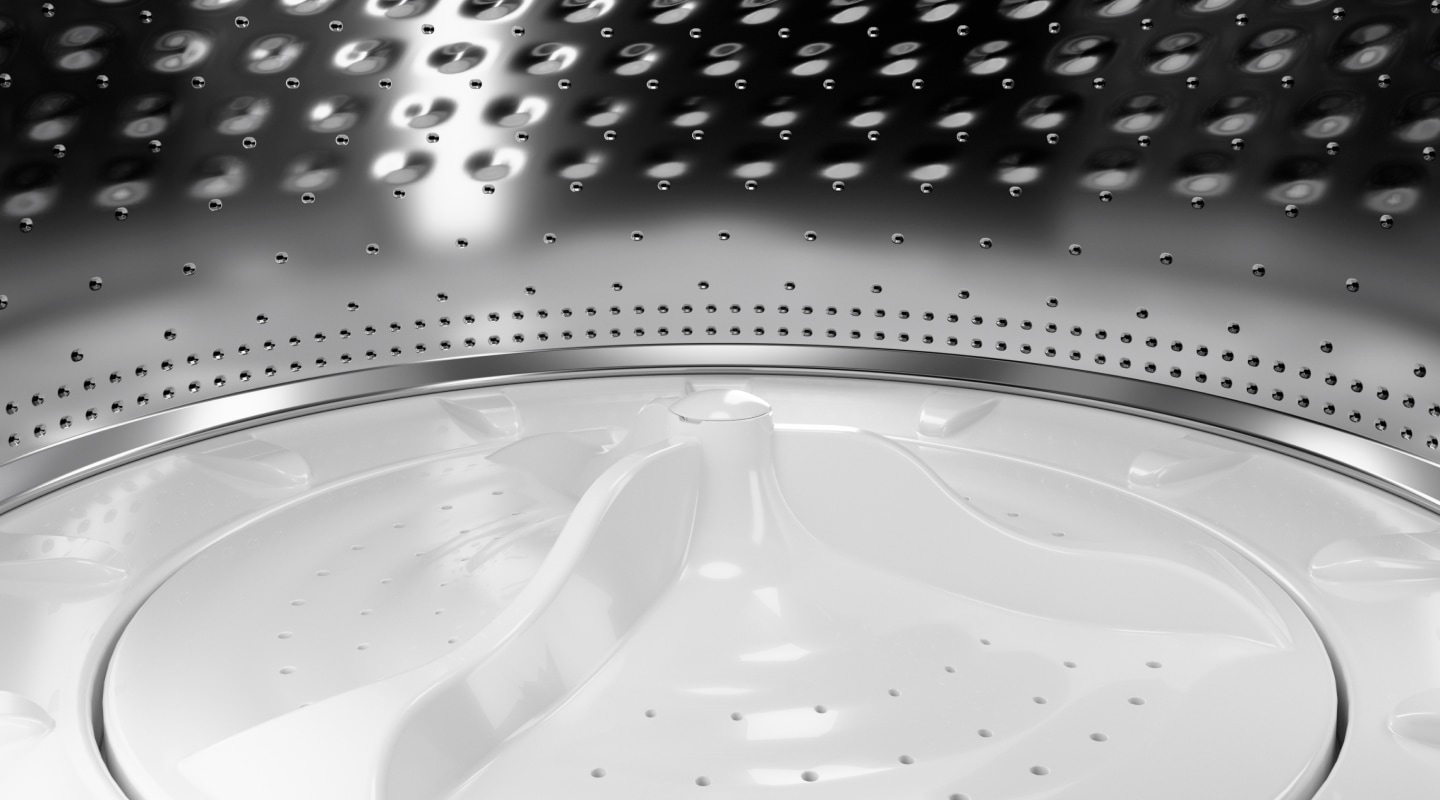
How much water does a typical load of laundry use?
How much water a washer uses depends on the model. A standard top-load washer typically uses around 19 gallons or more per load, while a high-efficiency (HE) top-load model can clean with around 13 gallons. Some HE front-load washers can use as little as 7 gallons per load.
What washing machine cycles use the most and least water?
Quick or Express Cycles—designed for small loads that need a fast refresh—typically use the least water, while the Bulky Item Cycle and Deep Water Wash Option often fills the whole washer tub. Everyday cycles like Normal, Whites or Casual generally fill the tub to about half its capacity.
What are the most water-efficient washing machines?
Front-load HE washing machines tend to be the most water-efficient machines. HE top-load washers use more water due to their inclusion of impellers or agitators2. Both top-load and front-load HE washers will be more water-efficient than traditional washing machines.
Today’s washers typically clean with less water than models from previous decades. However, actual water usage depends on the cycle and settings you choose and can vary by model. Below is a general overview of how much water different types of washers may use:


Front-load vs. top-load washer water usage
Older, non-HE top-load washer models typically use about 40 gallons of water per load because they soak laundry the entire wash cycle while an agitator carries out the cleaning process. HE front and top-load washers both use less water than standard washing machines per load as they fill only the bottom of the washer with water and move clothes through the water.
Whether front- or top-load, high-efficiency washers pair lower water levels with high-pressure sprays to clean clothes. Their constant rotation and faster spin speeds help ensure a thorough clean, and when used with high-efficiency detergent, they help deliver optimal cleaning performance.
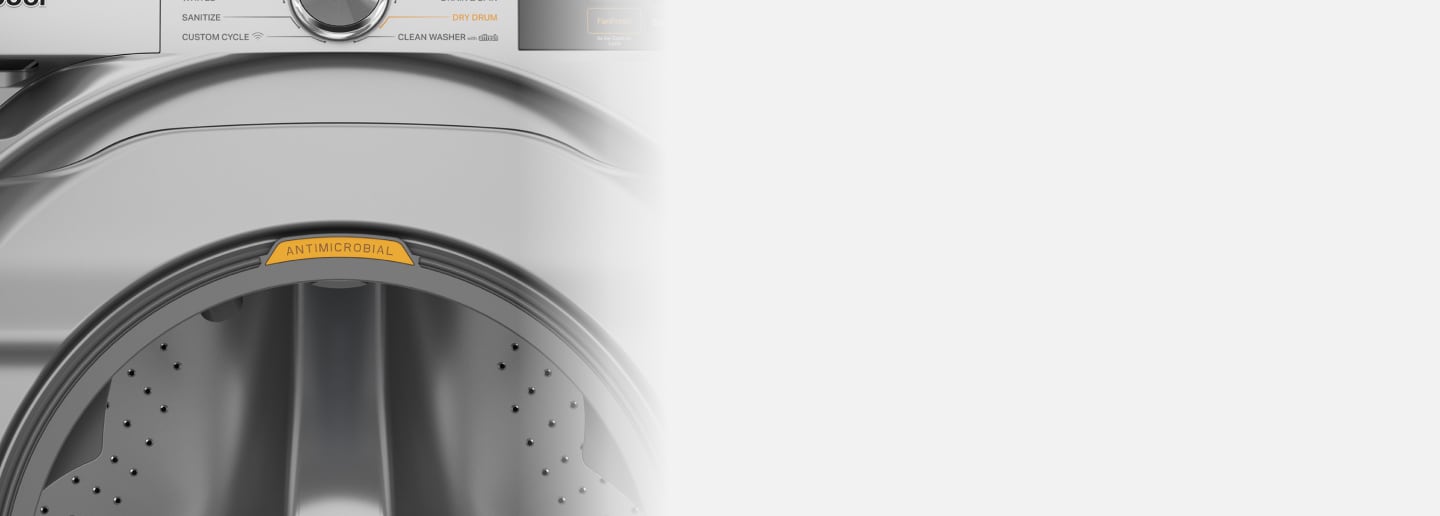
Antimicrobial protection
Help keep your washer & laundry fresh
Help prevent the growth of odor-causing bacteria with an antimicrobial rubber seal, available now on select Whirlpool® Washers
Explore Whirlpool® high-efficiency front-load washers
Front-load washing machines from Whirlpool come in a variety of sizes and configurations, with features like the Load & Go™ Dispenser and Quick Wash settings to help make laundry day less of a chore. Find select Whirlpool® models that are ENERGY STAR® certified, exceeding government standards to help conserve natural resources and save money on your utility bills. Explore Whirlpool® Front-Load Washers to find the right option for your home.


Why is the water level so low in my washer?
Newer top-load washers use less water than older models, and water levels adjust based on the load size you select. If the water level on your Whirlpool® Top-Load Washer seems low, running a Clean Washer Cycle can help recalibrate the controls and restore factory settings.
Whirlpool® Front-Load Washers naturally use low water levels, and the amount can vary by cycle or load size. If you’re worried about cleaning performance, make sure you’re using an HE detergent formulated to work efficiently with this low-water wash style.
Can I adjust my washer’s water level?
You can typically control your washer’s water level by choosing the cycle that best matches your load, and select options like extra rinse or deep soak for when you truly need them. If your Whirlpool® washer has an auto-sensing feature, it will gauge the size of the load and use only the amount of water required.
Some HE machines offer water level selection options, allowing you to customize the amount of water your machine uses. Understanding what to expect with each selection can help you confidently start your cycle. For example, owners of Whirlpool® Washer models WTW4107SW and WTW4307SW can expect the following approximate water levels based on the water level selection they choose for a medium load size on all cycles except for the Bulky Items cycle:

If you still feel the washer level is lower than when you first started using this washer, try running a Clean Washer Cycle. This cycle re-calibrates the control and resets it back to the factory-set water levels. This cycle should be run approximately every 30 washes (using the affresh® Washer cleaner3), and it will re-calibrate the control when the Clean Washer Cycle is used.
We are continuously working to address consumer feedback and provide clear guidance on how to best utilize your appliance's features. If you still need help, please feel free to contact us or schedule service with one of our preferred providers
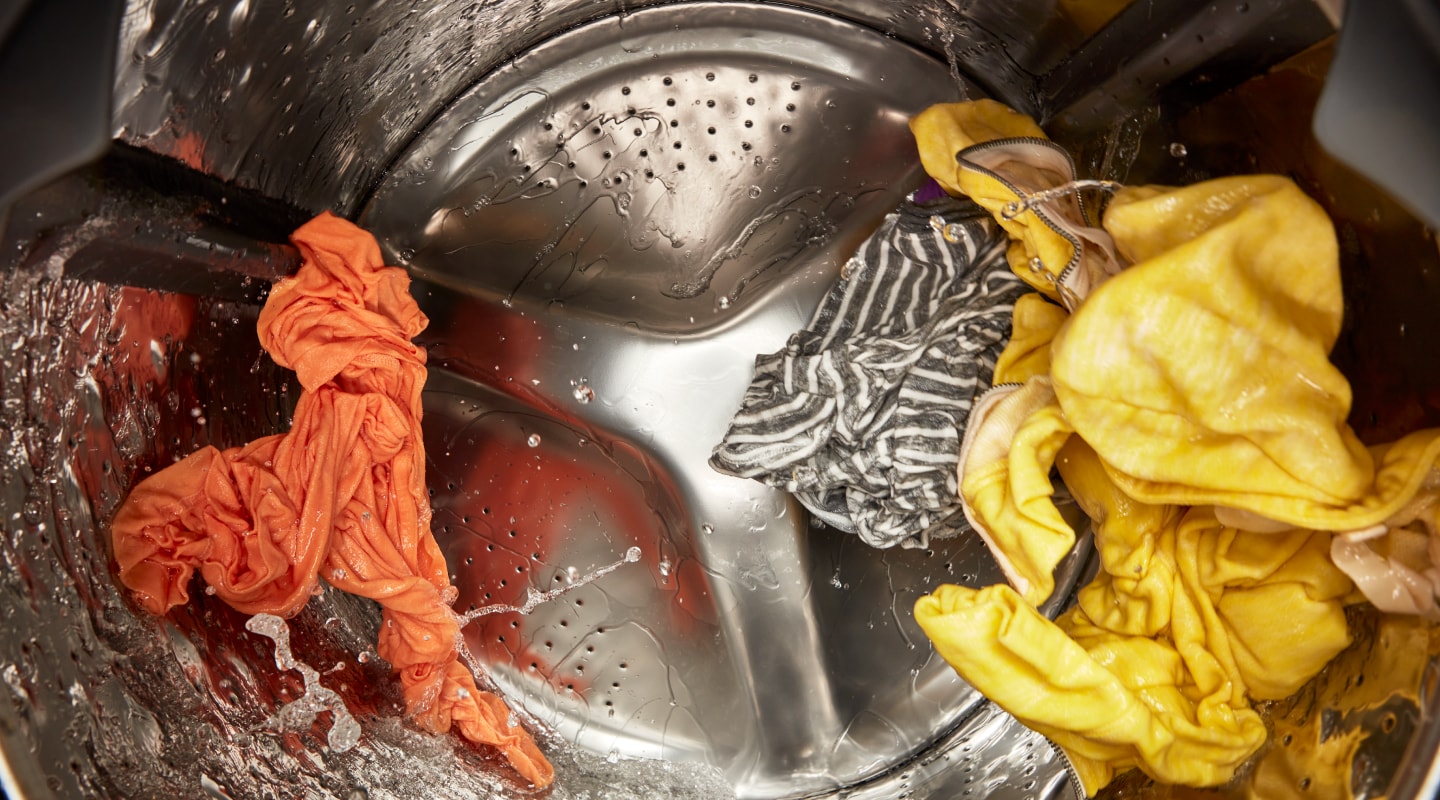
What can affect washing machine water usage?
Your washing machine water usage can be affected by your machine’s age, capacity, load size, bulky items, wash cycles and rinse settings. Read on below to learn more about what affects your washer’s water usage.
1. Age of washer
Older washing machine models typically use more water than modern machines. An old washing machine uses approximately 40-45 gallons each load, whereas an HE machine generally uses about 10-25 gallons.
2. Capacity
Large capacity washing machines tend to use more water per load than standard-sized washers. This is because large capacity washers have bigger washer drums, which require more water than a standard model.
3. Load size
The size of your laundry load can impact how much water is needed for a wash cycle. Larger loads require more water to saturate clothes for an effective wash, while smaller loads use less water in a single cycle.
5. Wash cycles
Different wash cycles use different water levels based on load size as well as other settings selected.
NOTE: Wash cycles are designed for specific types of clothing and fabrics. Using wash cycles other than instructed could result in compromised performance. In addition, certain wash cycles can increase the time and energy used to complete a load, and may not meet ENERGY STAR® standards.
6. Rinse settings
Fabric Softener or Extra Rinse settings will cause your appliance to use more water. Extra Rinse and Fabric Softener settings cause your machine to use a “deep fill rinse” rather than the standard spray rinse, which will require your washer to use more water than a traditional wash cycle.
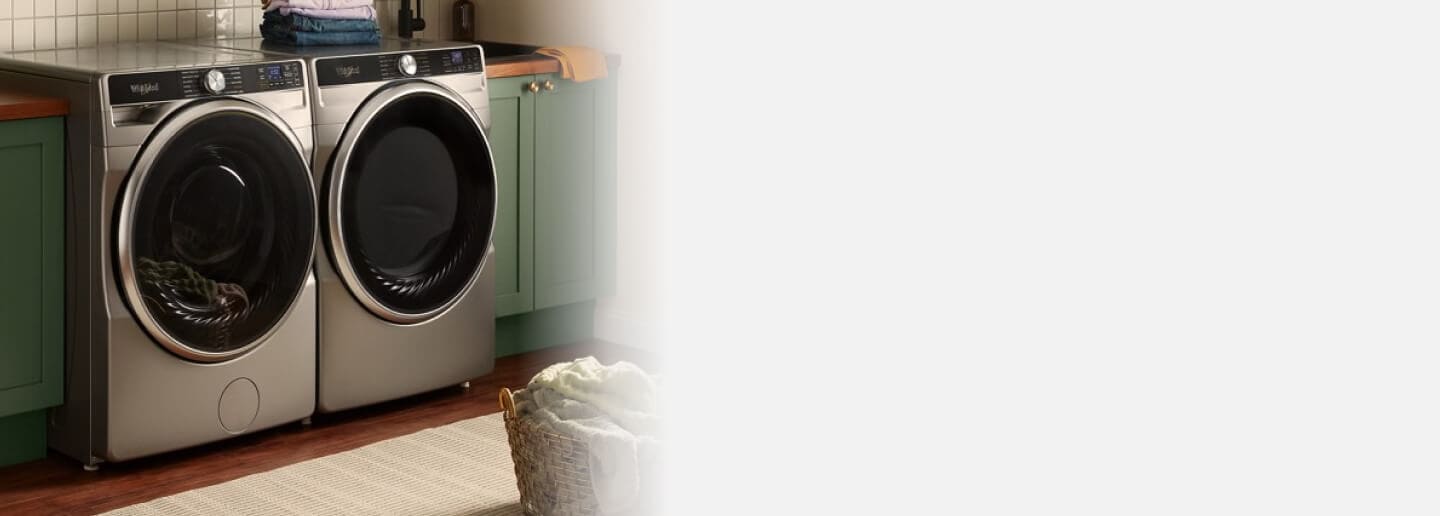
Front load washer and dryer sets
Keep laundry fresh
The FreshFlow™ Vent System on select Whirlpool® Washers helps keep your clothes and washer fresh, while steam-enhanced cycles on select Whirlpool® Dryers help prevent wrinkles and reduce static
Explore Whirlpool® Washers
Add flexibility to your laundry routine with a washer from Whirlpool brand. The 2 in 1 Removable Agitator on select Whirlpool® Washers lets you choose how you wash. Easily swap in the agitator to help with soils or remove for extra capacity to fit large and bulky items. When the day gets away from you, the FanFresh® Option on select Whirlpool® models keeps your clothes fresh in the washer after a cycle. A built-in fan and periodic tumbling helps keep your just-washed clothes fresh until they're ready for the dryer, using less energy than you would re-washing your clothes.4
Was this article helpful? Pass it on
Discover more from Whirlpool brand

home heartbeat
Ready for more tips, home hacks and appliance guides?
1. https://www.energystar.gov/products/appliances/clothes_washers
2. https://www.consumerreports.org/washing-machines/yes-your-washing-machine-is-using-enough-water/
3. This brand and the recommending brand are both owned and operated by Whirlpool Corporation
4. Based on rewashing an 8 lb load on Normal cycle.

