









 New Code Sent!

Air broiling: what it is, how it works and when to use it
If you've spotted an Air Broil setting on your oven or range and wondered what it does, you're not alone. This article breaks down how air broiling generally works, how to use it and how it stacks up against other cooking modes so you can decide when to reach for this setting at dinnertime.

Sign Up for More Insights to Stay Connected
Enjoy articles like this? Get helpful guides and appliance care tips sent straight to your inbox.

Your subscription was successful
Thank you for signing up. Keep an eye on your inbox for our next newsletter.

What is air broiling?
Air broiling is a cooking setting on select ovens and ranges that combines an upper heating element with a high-speed fan to drive intense heat directly to the top of the oven. Traditional broiling applies direct, radiant heat from above to quickly cook, brown, char or caramelize food. Air broiling takes that a step further by adding powerful fan-driven airflow, which distributes that intense top heat more evenly throughout the oven cavity. When it comes to air broiling vs. oven broiling, it’s the movement of air that sets air broiling apart. This setting is an excellent choice for cooking and browning thicker cuts of meat like ribs or chicken thighs, or quickly charring vegetables.
Air Broil is part of the Air Cooking Technology function on select Whirlpool® Ranges, which includes No Preheat Air Fry, Air Baking, Air Broil, Air Roast and Air Reheat.
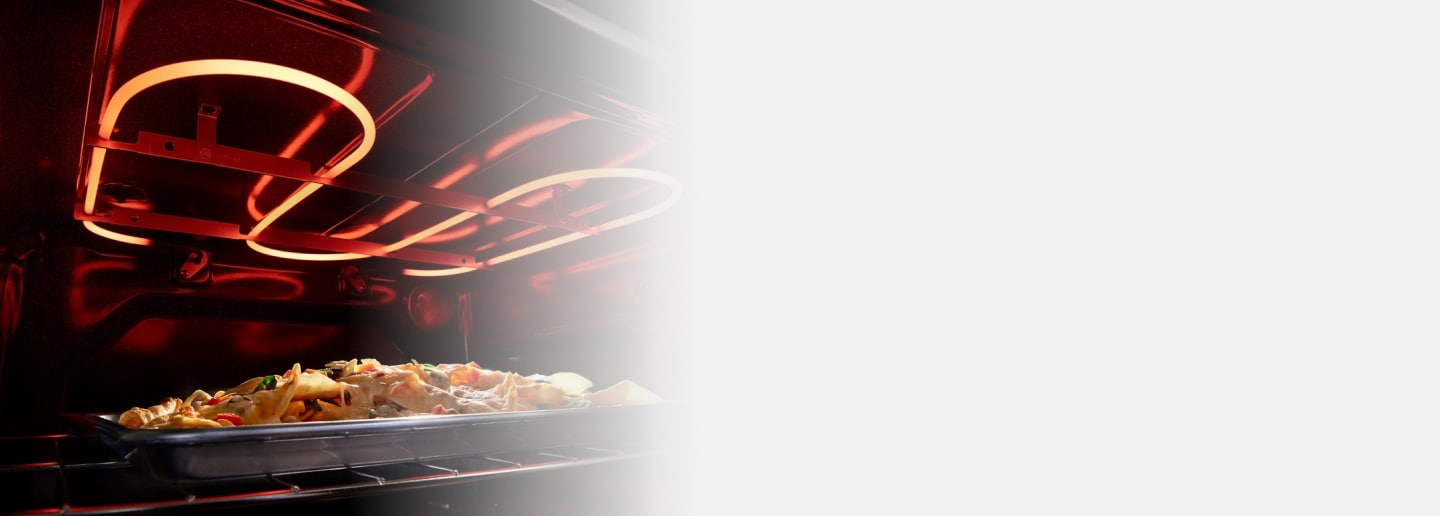
No Preheat Mode
Make the most of your time in the kitchen
Take preheating off your plate with No Preheat Mode—simply place your food in the oven and start baking
How does air broiling work?
Air broiling works by activating the upper heating element while simultaneously running a fan that circulates intense heat throughout the oven cavity. Air broiling temperatures are very hot, just like with regular broiling, so be sure to pay attention to the food you are cooking to make sure it doesn’t get overdone or dried out if left too long. The setting, which may vary in function depending on the model, is designed to sear and brown, using a fan to drive intense heat up and around the food. The upper oven element supplies direct, radiant heat much like a conventional broiler, but the added fan circulation helps deliver uniform browning across the surface of your food. Broiling temperatures can reach up to 550°F, making the cooking window fast.


Benefits of air broiling
Air broiling opens up a range of practical cooking possibilities for busy families. Whether you're pulling together a weeknight dinner or trying something a little more ambitious on the weekend, this mode can help you achieve flavorful results with your home appliance. Some of the benefits may include:
- Speed: High heat helps brown or char food quickly, often quicker than regular broil settings, making it a useful option when time is tight.
- Indoor cooking alternative: The intense top heat generates browning, char and caramelization that can stand in as a substitute for outdoor grilling when heading outside isn't an option.
- Fan-driven evenness: The fan-driven airflow helps distribute heat across the food's surface so you can get consistent browning.
- Versatility: Air broiling works on meats, fish, vegetables, open-faced sandwiches and more, lending itself to a wide variety of meals.
- Maillard reaction activation: The combination of high heat and moving air triggers the Maillard reaction—a browning chemistry that creates the savory flavor and crust that makes broiled food so appealing.

Air broiling compared to other oven modes
When it comes to air broil vs. broil or air broil vs. bake, as well as other cooking methods, here's how air broiling stacks up alongside other oven settings.
| Setting | Heat Source | Fan | Primary Use |
|---|---|---|---|
| Air Broil | Upper element | Yes | Melt, char and sear quickly; intense top heat |
| Broil | Upper element | No | Direct high heat for browning and searing |
| No Preheat Air Fry | Circulated air | Yes | Crispy, browned food without a preheat wait |
| Bake | Lower element | No | Even, dry heat for baking and roasting, especially single-layer baking (using one rack) |
| Convection Bake or Air Bake | Lower element, circulated | Yes | Even heat distribution across multiple racks |
| Air Roast | Circulated air | Yes | Seals in flavors and juices of meats and poultry |
For a deeper look at the differences between appliance-based and countertop options, exploring air fryer oven vs. countertop air fryer options can be helpful. You may also find it useful to review air fryer vs. convection oven comparisons to understand how fan-driven heat works across different cooking contexts.
Air broil vs. air fryer functions
When choosing how to crisp up your meals, understanding the debate of air broil vs. air fryer functions in a modern range is key to achieving your desired results. While a standard air fry mode uses a powerful fan to rapidly circulate hot air around your food for an all-over crunch with minimal oil—air broiling takes a slightly different approach. The air broil setting combines this rapid air circulation with intense, direct heat generated from the top heating element. This targeted, top-down heat is ideal for air broiling recipes that include quickly searing steaks, melting cheese, or charring vegetables. If you are using a full-sized modern range with an air broiler, air fryer capabilities or other useful settings, it gives you many ways to get dinner on the table. Some countertop air fryers can also broil. These air fryer broiler ovens may be handy for small batches, when you’re in a hurry.

How to air broil in simple steps
Getting started with air broiling is more straightforward than it might seem. There's no need to worry about getting it right on the first try—just follow this air broiling tutorial and refer to your specific recipe, as well as your owner's manual for any model-specific details.

1. Select the air broil setting and temperature
Start by selecting the Air Broil setting on your range's control panel. Some models will defer to a preset air broil temperature. Other models allow you to choose a temperature typically between 400°F and 550°F—the right temperature for your food depends on its thickness and your desired level of browning. Rack position matters too: the upper-middle oven rack position is generally recommended for air broiling, though the ideal placement can vary by appliance and food type. Always consult your owner's manual and Use and Care Guide for model-specific guidance on rack position and temperature settings.

2. Arrange food for airflow
How you arrange food on the pan makes a real difference in the outcome. Try placing food on a wire rack set inside a rimmed metal baking sheet—this elevates the food, allows air to circulate underneath and helps drippings fall away so food browns rather than steams. Arrange pieces in a single layer with space between them, since crowding can trap steam and work against the browning you're after.

3. Monitor food while cooking
Air broiling is fast—and that's part of what makes it so satisfying. The intense, close heat source means food can go from golden-brown to overdone quickly, so staying nearby and checking on it regularly is essential. Many items broil quickly, depending on the food item and thickness. Follow your recipe and appliance guidance to determine more tips on how to broil and figure out doneness.

Best foods for air broiling
Air broiling excels at delivering quick, high-heat browning—making it a natural fit for foods that benefit from a caramelized exterior and a tender interior. If you’re looking for air broiling recipes, here are some of the foods that tend to work well:
- Thin cuts of beef, chicken or pork: Steak tips, chicken cutlets and pork chops respond well to intense top heat that sears quickly before the interior overcooks.
- Fish fillets: Fish like salmon, cod or tilapia can cook through in just a few minutes under air broil heat, making it a practical option for quick weeknight dinners.
- Vegetables: Asparagus, zucchini, bell peppers and Brussels sprouts caramelize and char beautifully at high heat. The result is deep, concentrated flavor with minimal effort.
- Open-faced sandwiches: Cheese melts and bread tops toast in a few minutes under the air broil setting—ideal for a melty, open-faced sandwich.
- Pizza slices: Reheating pizza under air broil can help re-crisp the crust and bubble the cheese in a fraction of the time a conventional oven requires.
- Foods with toppings: Try finishing off casseroles, gratins and gooey s'mores-style desserts under air broil heat—the intense top heat finishes toppings to a golden, satisfying finish.


Air broiling FAQs
If you still have questions about air broiling, explore these answers to some of the most frequently asked questions about air broiling:
For air broiling, use an oven-approved broiler pan or a wire rack set inside a rimmed metal baking sheet. This setup allows air to circulate under food and drips to fall away, helping food brown evenly and keeping the oven cleaner.
When selecting cookware, look for materials rated for high-oven temperatures—metal broiler pans and stainless steel or cast-iron options are typically suited for the job. Avoid glass baking dishes or any pan not rated for direct oven broiling, as high direct heat can cause cracking or damage. Consult your owner's manual for more information.
Some models allow you skip pre-heating, like Whirlpool® ranges with No Preheat Mode. Simply place your food in the oven and start baking. The oven will adjust the cook time for frozen pizzas and more. However, without this mode, you will need to give your air broil setting a few minutes to get going before you begin cooking your food.
Whether you need to flip food when air broiling depends on thickness and what you are trying to do. Thinner items like fish fillets may not need turning. Thicker cuts of meat may benefit from flipping halfway through for even cooking. However, if you’re trying to melt cheese or get a good char or crispy crust, you wouldn’t flip the food. Your recipe and appliance manual can help you determine the right approach for specific foods.
Some smoke may occur when air broiling, and this is normal. This often happens when the high heat of broiling causes grease or fat from food to splatter up into the heating element. To help reduce smoke, trim excess fat before cooking and use a broiler pan designed to drain drippings. Good kitchen ventilation, like running a range hood, can also help maintain a comfortable cooking environment.
Yes, you can often air broil frozen food, but it depends on the food. Always check your recipe for specific directions, as this may affect the cook time and results.
No, always close your oven door when air broiling in a modern range or oven.
Air broiling can replicate similar results of outdoor grilling—including browning, char and caramelization—making it a useful indoor option when grilling outside is not possible. While there are differences in flavor profile—wood or charcoal smoke, for example, can't be replicated in an oven—the intense top heat of air broiling can deliver the browning, char marks and caramelized surfaces that make grilled food so appealing. Results may vary by food and model.
Shop Whirlpool® Ranges with Air Broil
Was this article helpful? Pass it on
Explore more with Whirlpool brand
This article includes AI-generated content that our human team has reviewed and edited to ensure quality.

