


 New Code Sent!

How to wash workout clothes: A complete guide
Sweaty gym clothes can quickly turn from post-workout gear to a source of stubborn odors if they’re not washed the right way. From moisture trapped in synthetic fabrics to stinky smells that linger after a tough workout, activewear often needs a little extra attention to stay fresh, clean and ready for the next session.
This comprehensive guide covers why workout clothes tend to smell, how to help remove odors and the best ways to wash, dry and care for your activewear.

Sign Up for More Insights to Stay Connected
Enjoy articles like this? Get helpful guides and appliance care tips sent straight to your inbox.

Your subscription was successful
Thank you for signing up. Keep an eye on your inbox for our next newsletter.


Why do my gym clothes smell so bad?
Gym clothes can start to smell when sweat, body oils and bacteria build up in synthetic fabrics. These materials can trap odors, especially after frequent workouts. Using the wrong wash settings or cycles for the fabric type can also make it harder to fully remove lingering smells, which is why proper washing and drying are key to keeping activewear fresh.


How to help get odors out of workout clothes
Synthetic materials commonly used in activewear, such as polyester and spandex, are designed to trap moisture, which can also cause them to hold onto odor more easily—even after washing. From airing out damp clothes right away to choosing the right wash cycle and detergent, simple strategies can help keep activewear fresh and ready for your next workout.
Before getting started, gather a few basic laundry supplies to help you tackle your workout clothes:
Laundry detergent designed for your fabric type
Baking soda for pretreating tough odors
White vinegar for soaking stubborn smells
A soft bristled brush to work pretreatment into fabric
Follow the steps below to help remove odors from workout clothes and keep your activewear looking its best.

1. Air out damp workout clothes right away
After a workout, take damp clothes out of your gym bag as soon as possible so sweat and moisture don’t have time to embed into the fabric. Washing activewear soon after wear can help prevent sweat, oil and bacteria from lingering in synthetic fabrics. If the washer is full, give sweaty clothes a chance to air out before putting them in the hamper. Tossing damp, odor-prone items into a pile can intensify smells and transfer them to other garments. Instead, hang them up to dry until you’re ready to wash.

2. Check the care label and fabric type
Many workout clothes are made from synthetic fabrics like spandex, polyester and nylon, which are designed to stretch, wick moisture and support movement. Check the care label before washing to help protect the fabric of workout clothes.

3. Turn clothing inside out
Turning workout clothes inside out helps target the inner layer of the fabric where sweat, body oils and odors tend to build up. Turn each item inside out before pretreating and washing to help detergent reach the areas that need the deepest clean.

4. Pretreat workout clothes before washing
Tougher odors may require a little extra attention. For stubborn smells, pretreating workout clothes before washing can help break down buildup in high-contact areas like the underarms and necklines. Make a paste with equal parts baking soda and water, gently work it into the fabric with a soft-bristled brush and let it sit for about 30 minutes before washing.
Alternatively, you can soak clothes in a solution of one cup of white vinegar and four cups of warm water for at least 30 minutes. Rinse thoroughly before placing items in the washer. Note that there are some situations where vinegar may not be ideal for your items. For example, it can potentially damage elastic. Refer to your garment’s care tag when in doubt. And vinegar should never go directly into your washer. Always rinse items thoroughly.

5. Wash workout clothes in the washing machine
Selecting the correct wash cycle helps match the needs of your workout clothes and can make it easier to remove sweat and odors. Using the wrong wash settings or cycle for the fabric type may not do the job as effectively, so it’s important to check the care label before washing.
Choosing the right detergent for your workout clothing is also important. Consider a mild detergent designed for delicate or performance fabrics. Avoid fabric softeners or detergents with built-in softeners, as they can leave a coating on the fibers that may reduce the moisture-wicking performance that workout clothes are designed to provide.
Also, consider UV Clean Technology, found on select washers from Whirlpool brand, which reduces bacteria in the wash without requiring high temps, harsh chemicals or risk of fading fabrics.
Explore Whirlpool® Washers with UV Clean Technology
UV light technology can help refresh your gym clothes on laundry day. UV Clean, found on select Whirlpool® Washers, is a setting you can add to your favorite wash cycle for extra bacteria reduction benefits. It uses ultraviolet light to treat the water and reduce bacteria during the washing process. UV Clean uses a UV-C light that shines into the wash water for the duration of the cycle, reducing bacteria. This ultraviolet light penetrates and damages bacteria’s DNA without requiring high temperatures or chemicals.


Workout clothes FAQs
Even with the right wash routine, you may still have questions about caring for activewear. The answers below cover common follow-up questions about drying, odor removal, wash frequency and more.
How do you dry workout clothes?
It’s often best to air-dry workout clothes to help protect their shape and elasticity. High heat from a dryer can damage delicate synthetic fibers like spandex and cause them to lose stretch. Lay items flat or hang them on a drying rack away from direct sunlight. If you use a dryer, choose the lowest heat setting or a no-heat air-fluff cycle.
Why do my gym clothes still smell after washing?
Odors can sometimes remain in clothes after washing when sweat and body oils stay trapped in the fabric. Smells may sometimes linger for a number of reasons which may include: if too little detergent is used, the washer is overloaded, clothes are not dried completely, the body odor is unusually strong, or the washing machine itself needs cleaning.
In some cases, a standard wash may not be enough. Heavily worn workout clothes may need more frequent washing or extra odor-fighting steps to help battle stubborn smells.
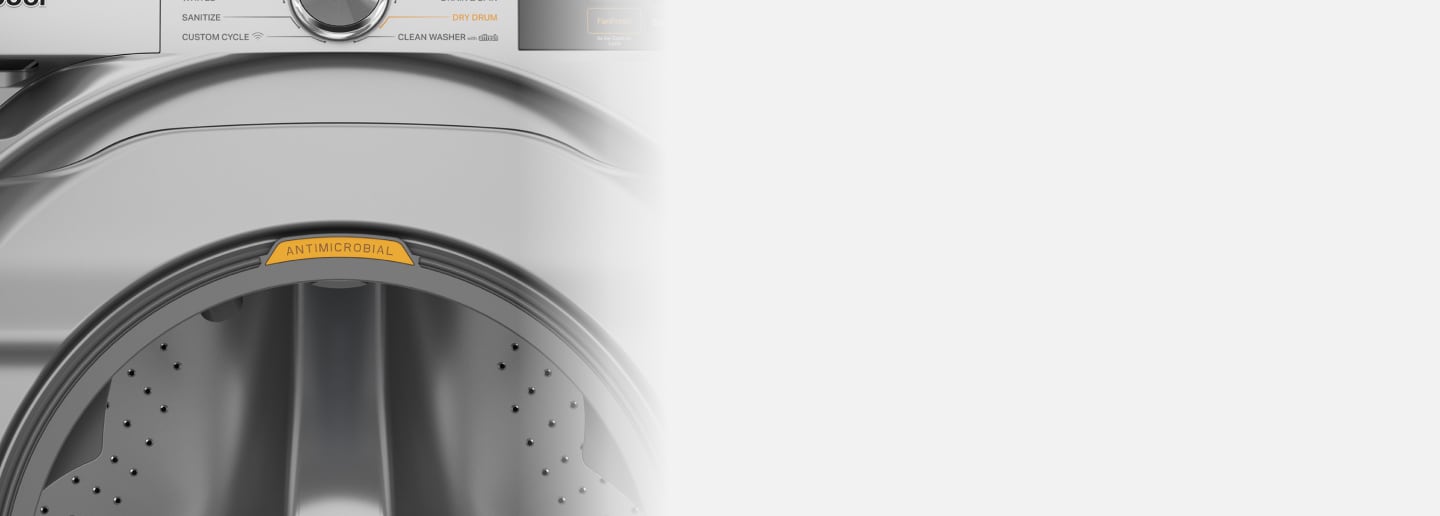
Antimicrobial protection
Help keep your washer & laundry fresh
Help prevent the growth of odor-causing bacteria with an antimicrobial rubber seal, available now on select Whirlpool® Washers
Should you wash workout clothes every time?
Yes, in general, you should wash workout clothes after you use them. Sweat, body oils and odors can build up on workout clothes during wear. Over time, this buildup can wear down stretchy fibers like spandex or elastane and create the conditions for odor-causing bacteria to grow. Washing activewear regularly helps protect its freshness, performance and longevity. For casual, low-sweat wear, some items might be able to go two or three times before washing, but it depends on the item and the intensity of the workout.
Can I wash my gym clothes with my regular clothes?
Yes, provided they are similar fabric types and have similar washing instructions—double-check the care label of your clothing to be certain. However, it’s best to avoid tossing sweaty gym clothes into the laundry basket with other clothes before washing. This can transfer the smell onto other items. If you can’t get to it right away, try to keep it separate from other clothes and air it out.
Should I wash my gym clothes in hot or cold water?
Synthetic activewear like leggings often does best on a gentle or delicate cycle with cold water. Using a mesh laundry bag also can help protect fabrics during washing.
Shop all Whirlpool® Washing Machines
Regular washing is crucial for helping your workout clothes smell fresh. Select washers from Whirlpool brand offer the FreshFlow™ Vent System, which is a trio of freshness features that helps keep your clothes and washer fresh. It's the first fan-powered system with antimicrobial protection and includes the FanFresh® Option, Dry Drum Cycle and Antimicrobial Gasket. Other Whirlpool® Washers come with industry-first UV Clean Technology, which reduces bacteria1 in the wash without requiring high temperatures or fading fabrics. When selected, a bright blue light signals the UV technology is working to tackle the bacteria in the water, giving your clothes a deep clean while keeping fabric care in mind. Select washers, like this washer from Whirlpool brand, also offer a Sanitize Cycle, which uses increased water temperature to eliminate 99.9% of common household bacteria.2
1. Available on select cycles. Bacteria tested include Staphylococcus aureus, Bacillus subtilis, Pseudomonas aeruginosa.
2. Bacteria tested were K. pneumoniae, P. aeruginosa, S. aureus.
Was this article helpful? Pass it on
Explore more with Whirlpool brand