









 New Code Sent!

What is poaching in cooking?
Understanding how to poach can open up a world of delicate flavors and tender textures that can transform family mealtime. This gentle cooking method is an excellent way to prepare a variety of ingredients, from farm-fresh eggs to delicate fish fillets, helping you find new recipes for your family to enjoy. Poaching is a method of cooking that submerges food in some kind of liquid and heats it at a low temperature. The technique is much more approachable than you might think. Read on to learn more about how poaching works and how it stacks up against other cooking methods.

Sign Up for More Insights to Stay Connected
Enjoy articles like this? Get helpful guides and appliance care tips sent straight to your inbox.

Your subscription was successful
Thank you for signing up. Keep an eye on your inbox for our next newsletter.


How does poaching work?
Poaching—like simmering and boiling—is a moist-heat cooking method that involves submerging food in liquid, typically without using fat. This technique relies on gentle heat to cook ingredients slowly, which helps maintain their moisture and delicate structure throughout the cooking process. The process allows flavors to meld beautifully without the harsh agitation of a rolling boil that might otherwise damage fragile foods. Whether using filtered water, rich broth, or seasoned wine, the poaching liquid gently surrounds the food, helping to transfer heat evenly across the surface. This approach is ideal for fragile items that might break apart or dry out with more aggressive cooking methods.
When considering how poaching works, it is helpful to understand the science behind the heat transfer. The liquid acts as a gentle buffer, shielding the food from direct, intense heat sources. As the temperature slowly rises, the food begins to slowly cook, resulting in a tender bite. This method also offers an opportunity to infuse additional flavors into the dish. By adding fresh herbs, sliced citrus, or whole spices to the poaching liquid, the food can absorb these subtle notes as it cooks. The result is often a deeply flavorful and moist dish that highlights the natural qualities of the ingredients.
Poaching temperature range and doneness
Maintaining the correct temperature is crucial for optimal results when poaching. Cook food gently in hot liquid that is not boiling. The liquid should have small bubbles forming around the edges rather than a rolling boil. For general poaching, you should bring a medium pot of water to a simmer, then reduce heat until it is barely quivering. Traditional poaching temperatures usually register between 160 to 180°F on an instant-read thermometer, depending on the food you are cooking, though some recipes may vary with slightly higher or lower temps.
If you’re using a gas appliance, understanding your gas range BTUs can help you achieve and maintain these precise temperatures, ensuring your dishes are cooked to the ideal doneness. Monitoring the heat carefully allows the proteins to set gently, providing delicious results.
Difference between poaching and other water-based cooking methods
While poaching shares similarities with other water-based cooking techniques, it has distinct characteristics that set it apart in the realm of cooking methods that use moist heat.
Steaming vs. poaching: Steaming is a type of cooking that uses heated water vapors to cook food while helping to retain your dish’s nutritional value. In contrast, poaching fully submerges the food in the liquid, allowing for a different type of heat transfer and flavor infusion. Both methods are gentle, but poaching often infuses more flavor from the cooking liquid directly into the ingredients, making it a popular choice for proteins like fish and chicken.
Sous vide vs. poaching: Another popular method that is often compared to poaching is sous vide. By gently warming food in water to the ideal temperature, the sous vide cooking method is a helpful option to have in your kitchen toolkit. Unlike traditional poaching, sous vide involves sealing the food in a bag before submerging it, which helps lock in juices and prevents the cooking liquid from diluting the food's natural flavors. When considering poaching vs sous vide, the choice often comes down to the desired texture and whether you want the food to absorb flavors from a broth.
Boiling or blanching vs. poaching: Additionally, blanching vegetables uses a brief plunge into boiling water followed by an ice bath, whereas poaching is a complete cooking process at a lower temperature. What is the difference between poaching and boiling? Essentially, it’s heat. Boiling uses vigorous, large bubbles at 212°F, which can be too harsh for delicate foods that require the gentle touch of poaching.


Types of poaching
There are several variations of poaching, each suited to different types of food and desired outcomes. Exploring these methods can help you choose the right approach for your family, whether you are preparing a delicate seafood dish or a hearty weekend brunch.
1. Shallow poaching
Shallow poaching involves cooking food in a small amount of liquid, usually just enough to partially cover the ingredients. The pan is often covered with a lid or parchment paper, allowing the trapped steam to help cook the exposed portion of the food. This method is excellent for delicate fish fillets or boneless chicken breasts, providing a gentle cooking environment that helps retain moisture.
The remaining liquid from shallow poaching is often highly flavorful and can sometimes be reduced to create a delicious accompanying sauce.
2. Deep poaching
Deep poaching requires enough liquid to completely submerge the food. This method provides a consistent, enveloping heat that cooks ingredients evenly from all sides. It is the standard approach for items that need full immersion to maintain their shape and texture throughout the cooking process.
A classic example of deep poaching is preparing eggs, where the ample liquid allows the egg white to form around the yolk beautifully. It is also ideal for larger cuts of meat or whole fruits, helping to ensure they are cooked thoroughly without drying out.
3. Butter poaching
Butter poaching is a luxurious technique where food is submerged in melted butter kept at a low, steady temperature. This method imparts a rich, savory flavor and an incredibly tender texture to the ingredients. It is often used for premium seafood, such as lobster or scallops, elevating them to a restaurant-quality standard.
The key to butter poaching is maintaining the heat just below a simmer to keep the butter from separating or frying the food. The result is a deeply flavorful dish that highlights the natural sweetness of the seafood. While it requires careful temperature management, the decadent results make butter poaching a worthwhile endeavor for special occasions and celebratory meals.
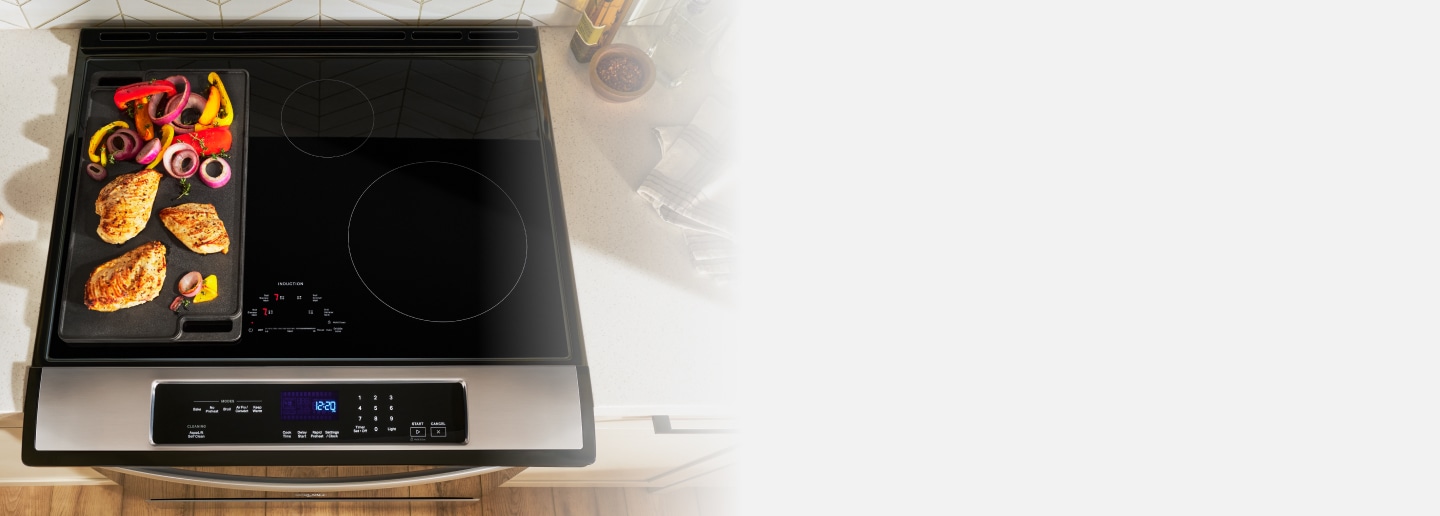
Whirlpool® Induction Cooktops
Get responsive temperature control
Induction Cooktops from Whirlpool brand offer fast cooking and responsive temperatures, paired with a sleek, easy-to-clean surface
Shop Whirlpool® induction cooktops
From everyday meals to special occasion dinners, Whirlpool® Induction Cooktops help you at mealtime. Select models use Temp Cook™ Induction Technology to help you avoid burning with dual temperature sensors that monitor and maintain your heat.


What foods can be poached?
Many delicate ingredients benefit from this gentle cooking method, making it a versatile choice for various meals.
Eggs: When considering how to poach an egg, the process is quite simple. Begin by filling a saucepan, optionally adding salt and vinegar, then bring the water to a boil. The eggs are cracked into a small bowl, tipped into the pot, and submerged for differing times depending on your recipe and how you want them cooked.
Chicken: Poaching is an excellent way to prepare poultry. When learning how to poach a chicken, selecting a high-quality bird is recommended since the cooking liquid highlights its natural flavors. The gentle heat helps keep the meat moist and flavorful, making it a versatile addition to salads, sandwiches or hearty grain bowls.
Salmon: To poach salmon, gently submerge the fillets in a barely simmering liquid—like water, broth, or white wine infused with herbs and aromatics—maintained at a low heat. Cook the fish uncovered for the amount of time directed on your recipe, until it turns opaque and flakes easily with a fork,
Fruit (Pears & Peaches): To poach fruit like pears, gently submerge them in a simmering liquid made of water or wine, sugar, and aromatics like vanilla or cinnamon. Simmer the fruit uncovered for as long as your recipe calls for, until it is easily pierced with a knife.


FAQs About Poaching
Learn more about poaching by exploring these frequently asked questions about the process.
Should you cover food while poaching?
Covering the pot depends largely on the specific type of poaching you are performing. For shallow poaching, a cover or parchment paper lid helps trap steam to cook the exposed food evenly. For deep poaching, leaving the pot uncovered allows you to monitor the temperature closely and ensure the liquid remains at a gentle simmer, which is crucial for delicate items.
What pot should you use for poaching?
A wide, shallow pan is ideal for shallow poaching, while a deeper saucepan or pot works well for deep poaching. The material of the cookware can also impact heat distribution and overall cooking performance. If you are using an induction appliance, understanding how to use cast iron on induction or stainless steel on induction can help you select the right vessel. Heavy-bottomed pots are generally recommended as they help maintain a consistent temperature throughout the cooking process.
Should poached food be served in the cooking liquid?
In some cases, the poaching liquid is served with the food, especially if it has been reduced into a flavorful sauce, as is common with shallow poaching. This approach maximizes the flavor profile of the finished dish. For items like eggs or deep-poached chicken, the food is typically removed from the liquid and drained before serving. The remaining liquid can sometimes be strained and saved as a base for soups or stocks, minimizing waste and adding depth to future meals.
Shop Whirlpool® Cooktops
Whether you prefer the responsive heat of gas or the sleek surface of electric, Whirlpool® Cooktops are designed to help you keep up with your family's busy schedule. Explore options that offer the flexibility and control you need to tackle any recipe.
Was this article helpful? Pass it on
Explore more with Whirlpool brand
This article includes AI-generated content that our human team has reviewed and edited to ensure quality.

