Dishwashers vs. hand-washing: Do dishwashers save water?
Choosing between using a dishwasher vs. hand-washing typically comes down to personal preference, yet both methods offer distinct advantages and disadvantages. Keep reading to discover the benefits of using a dishwasher, understand if it can save water and determine the washing method that best suits your needs.
Do dishwashers save water?
Since hand-washing often involves continuously running the faucet, it typically uses more water than the fixed amount a dishwasher utilizes during a wash cycle. Standard dishwashers typically use 3-4 gallons of water during an average wash cycle, whereas hand-washing your dishes often uses around 27 gallons—or about 3 gallons for every minute the water is running.
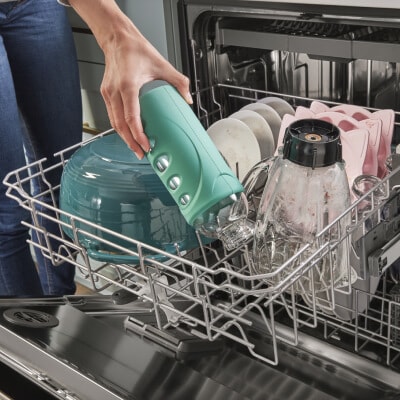
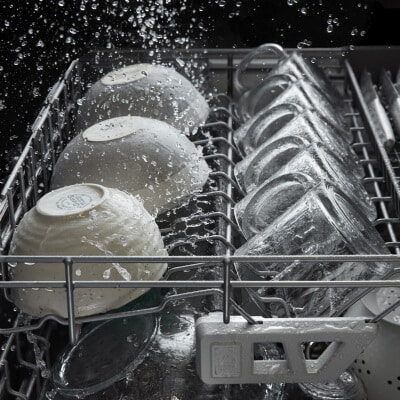
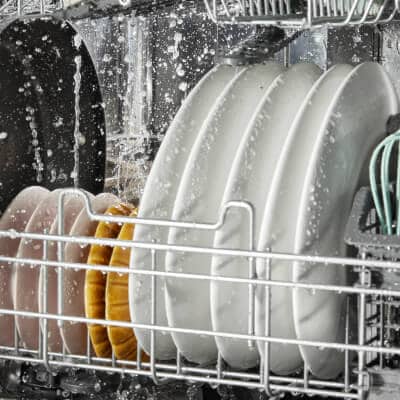
Modern dishwasher models may also offer eco-friendly features, such as soil sensors, filtration systems, optimized rack designs and more. ENERGY STAR® certified dishwashers, like this 3rd Rack Flush Dishwasher from Whirlpool brand, exceed government standards to help save money on your utility bills.
Dishwashers with 3rd Rack
Load more and run less with the 3rd Rack*
*Compared to Whirlpool® Dishwashers without a 3rd level rack.
Do dishwashers save electricity?
Depending on the brand and model of your dishwasher, it may be designed with energy efficiency in mind. On average, ENERGY STAR® certified dishwashers use 12% less energy than other dishwasher models.
Are dishwashers better than hand-washing?
Whether or not a dishwasher or hand-washing is “better” often depends on your own personal needs and preferences. While dishwashers can be a significant initial investment, they generally use less water than hand-washing.
Dishwashers may or may not take less time out of your day to get your dishes clean compared with hand-washing—depending on the sheer amount of dishes and your personal washing speed—but they are definitely less effort on your part. However, not all kitchenware is safe to run through the dishwasher. For items like wood, cast iron and certain types of plastic, refer to the underside of the product or its packaging instructions to ensure it’s marked as dishwasher safe.
Shop Whirlpool® 3rd Rack Dishwashers
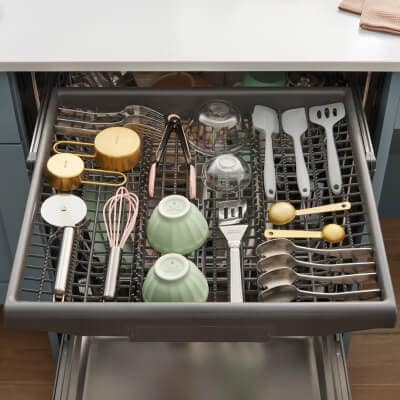
Select Whirlpool® Dishwashers offer more capacity for your family’s dishes with a 3rd Rack. Take advantage of 35% more rack space1 that makes it easy to load additional silverware and hard-to-fit utensils.
4 reasons to use a dishwasher
Both hand-washing and using a dishwasher offer unique benefits, but dishwashers may have some advantages over hand-washing. Keep reading to discover a handful of reasons why using a dishwasher may be beneficial.
1. Convenience
Though the time it takes to run a standard dishwasher cycle can vary, dishwashers can take the tediousness of hand-washing off your list of to-dos. Instead of washing each dirty dish and glass by hand, dishwashers only require you to scrape off the most significant leftover food, load the dishwasher and start the cycle.
2. Water consumption
Whereas hand-washing can use about 3 gallons of water per minute, a standard dishwasher cycle uses about that same amount (3-4 gallons of water) to clean an entire load of dishes. This is a rough estimate, and varies by make and model. Refer to your dishwasher’s manual for any additional information about the amount of water each cycle uses. If you need to clean dishes fast, consider a Whirlpool® Dishwasher with a Quick Wash Cycle. This cycle takes care of plates and glasses when you need them done in a hurry.
3. Cleaning temperatures and sanitizing capabilities
Some dishwashers’ water temperature can reach higher than 155°F and some models may even offer sanitization cycles to help reduce bacteria left over from food soils. It’s recommended that sink water does not exceed 120°F, so it might be helpful to utilize the dishwasher if you want to achieve a certain level of heated cleaning power.
4. Heated drying
Save some time and skip towel drying with a dishwasher model that uses hot air to thoroughly dry your load for you. Select Whirlpool® Dishwashers that feature the Heated Dry Option let you use a clean, dry dish straight from the dishwasher thanks to added heat for drying.
Tips to help you save water when you wash your dishes
You can help reduce your water usage during post-meal cleanup with the following dishwashing tips and tricks.
Only run your dishwasher when it’s full to reduce the amount of times you run a wash cycle.
Skip pre-rinsing your dishes before loading them into your dishwasher. Select dishwashers from Whirlpool brand use a Triple Filtration Wash System to catch large, medium and micro-fine soils to keep your dishes clear of food particles.
If your appliance offers an Eco or Quick Wash setting, opt for it whenever you can.
Clean and maintain your dishwasher. Clogs, broken parts and other issues can lead to ineffective cleaning, which may require you to use more water to get your dishes properly clean.
Explore Whirlpool® Dishwashers
Spend more time enjoying meals with your family rather than cleaning up afterward with the convenience of Whirlpool® Dishwashers. Browse models from the Whirlpool® Eco Series designed with efficiency in mind, saving you water, energy and money with quality wash and dry performance.2
Was this article helpful? Pass it on
Explore more from Whirlpool brand
home heartbeat
Ready for more tips, home hacks and appliance guides?
1. Compared to Whirlpool® Dishwashers without a third level rack.
2. Compared to dishwashers meeting the minimum 2023 Department of Energy efficiency standards.