


 New Code Sent!

Ducted vs. ductless range hoods: Which one to buy?
Range hoods are an essential appliance for any kitchen, as they help to clear the air of smoke and fumes while you’re cooking for your family. When buying a new range hood, it is important to understand the differences between ducted and ductless range hoods so you can find the right option for your home.
Keep reading to compare ducted vs. ductless options, then learn what to consider when installing them and how to decide which one works for your kitchen.

Sign Up for More Insights to Stay Connected
Enjoy articles like this? Get helpful guides and appliance care tips sent straight to your inbox.

Your subscription was successful
Thank you for signing up. Keep an eye on your inbox for our next newsletter.

Ducted vs. ductless range hood comparison
| Ducted | Ductless | |
|---|---|---|
| Ventilation | Vents air outside | Filters and recirculates air |
| Smoke | Removes smoke from home | Filters smoke |
| Odor | Vents odors outside | Filters odors |
| Grease | Removes grease from air | Filters grease |
| Installation Complexity | Requires ductwork, limited placement options | No ductwork required (can be placed nearly anywhere) |
| Ductwork Maintenance | Consider inspecting for blockages about every 6 months or so | No duct maintenance. Clean grease filters regularly, replace charcoal filters every 6 months |
| Cost | Typically priced higher than ductless models | Often available at entry-level pricing |
| Ideal For | Homes with existing functional ductwork; humid climates | Kitchens without ductwork; flexible layouts |


What is a ducted range hood?
A ducted range hood is an external ventilation system that must be connected to a duct in your wall, ceiling or floor in order to work. It helps to clear smoke, odors and grease from the air in your kitchen, venting outside your home. These range hoods are a great fit for homes located in more humid climates, as added moisture in your cooking environment can be vented straight outdoors rather than filtered and circulated back into the kitchen.
How does a ducted range hood work?
A ducted range hood works by using a fan and an external vent to suck up smoke and fumes from your kitchen while you're cooking. The exhaust is then pushed through ductwork and out of your home, helping to keep your kitchen air clear of smoke and odors that can accumulate while cooking.
Some ducted range hoods also include an aluminum or metal mesh grease filter that traps grease while you cook. This makes it harder for grease to enter the blower and vent, which can lead to buildup and damage over time.
Choose a ducted range hood if:
You sear, fry or sauté foods frequently
You want powerful smoke removal
Functional ductwork is already installed in your kitchen
You’re remodeling and can more easily install ductwork
You live in a humid climate

What is a ductless range hood?
A ductless range hood is a ventilation system that does not require ductwork to be installed in your home as it filters smoke and odors instead of venting it outside the house. Because ductless range hoods don’t require any ductwork, they are ideal for a variety of kitchen layouts, including apartments, kitchens with hoods above the island or homes where ductwork installation isn’t an option or preferred.
These hoods provide flexibility in their installation but require maintenance (typically a new charcoal filter) at least two times a year.
How does a ductless range hood work?
Ductless range hoods take smoke and grease into the range hood, then filter the air and recirculate it back into your kitchen. These filters usually include one charcoal filter, designed to help combat odors, and a grease filter that helps trap and remove grease and other food particles from your cooking environment.
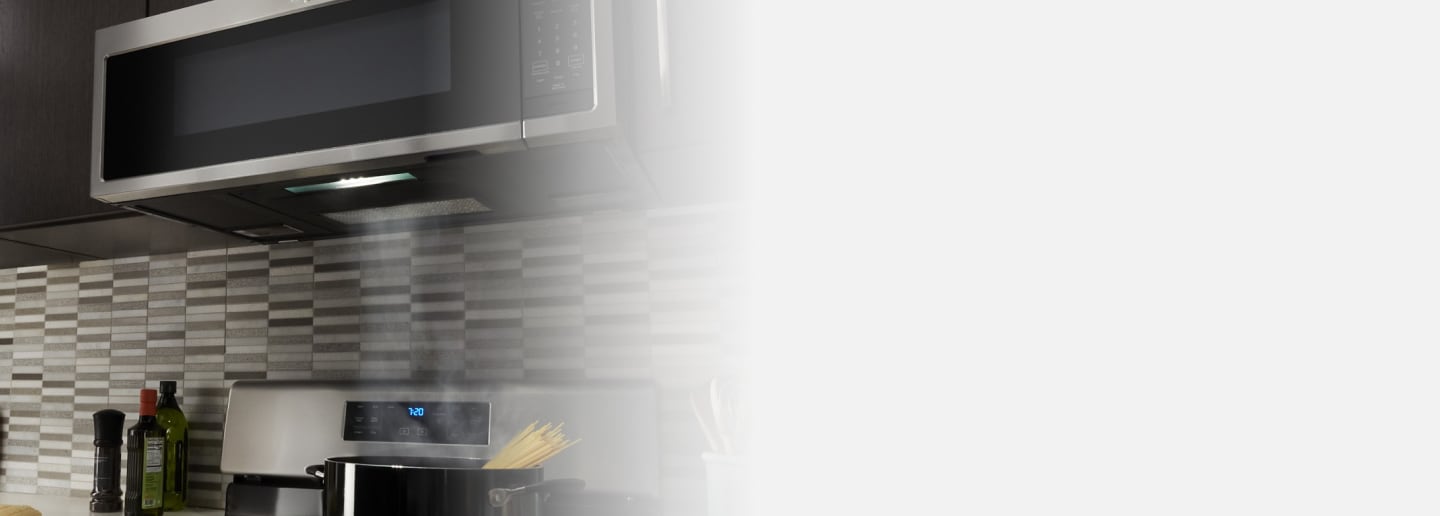
Whirlpool® Range Hoods
Help clear your kitchen air quickly and quietly
Range hoods from Whirlpool brand offer your kitchen the ventilation it needs with features and styles to suit every home
Does a ductless range hood need to be vented?
No, a ductless range hood does not need to be vented, as these types of hoods pull air in, then filter it through a grease and charcoal filter before releasing it back into the kitchen. It can be placed nearly anywhere in your kitchen; however, it’s important to note that a ductless range hood does not remove smoke and fumes from your home to the outdoors like a ducted range hood will. Instead, it filters these elements and circulates the filtered air back into the kitchen.
Choose a ductless range hood if:
You live in an apartment or another space without ductwork
Duct installation isn’t practical or affordable
You’re replacing a recirculating model
You want more flexibility with range hood placement

Ducted vs. ductless FAQs
The first step to choosing the right kitchen ventilation for you is knowing what to look for. Discover answers to common questions about range hoods below.
Though you may or may not be required to install a hood over your stove, it is generally recommended for the best cooking experience. Without one, smoke, fumes and residue may build up in your kitchen, potentially settling on nearby walls, ceilings or cabinets.
Range hoods also help to reduce heat and moisture while cooking so you may not even break a sweat when cooking dinner for your family. Depending on where you live, there may be different codes and requirements, so it’s always best to check.
Does your kitchen need a range hood or a downdraft ventilation system?
CFM stands for cubic feet per minute and is a measure of how powerful a range hood's ventilation system is. Ductless range hoods don’t need as high of a CFM as ducted hoods, as they don’t need to push air through lengthy ductwork, but their CFM rating will still impact venting performance.
Generally, you can expect to find a ductless range hood with anywhere between 150 to 400 CFMs, though some models vary. Just be sure to install a range hood with a CFM rating that can handle the output from your stovetop. For a gas stovetop, a general rule of thumb is to plan on at least one CFM for every 100 BTUs put out by your stovetop.
If your range hood is convertible, you can probably transition from a ducted range hood to ductless with the help of a recirculating kit. This kit typically consists of a stainless steel vent and charcoal filters, which install on top of your range hood to vent or recirculate air back into your kitchen.
Some range hoods, like this option from Whirlpool brand, have convertible venting systems so you can choose whether the hood vents externally or via recirculation. Check your owner’s manual to find out if your range hood can convert from ducted to ductless.
There are a few ways to tell if you have a ducted or ductless range hood. The easiest way is to see if ductwork has been installed in your kitchen. Ductless hoods don’t require any additional ventilation systems, so you wouldn’t find ductwork installed with a ductless vent.
Another way to tell the difference is by checking the CFM rating on your range hood. A higher CFM rating typically indicates that your vent is ducted. You can expect ductless hoods to generally feature anywhere from 150-400 CFMs, while ducted hoods typically range from about 300 to 1,800 CFMs for commercial-style models, though some models vary.
Whether you choose a ducted or ductless range hood, Whirlpool brand has options that can illuminate your cooktop and help keep smoke and odors at bay. Whirlpool® Range Hoods come in a variety of styles like canopy and downdraft that can blend in with any kitchen layout and feature powerful motors and fans that help to remove steam, smoke and fumes while you cook dinner for your family.
Was this article helpful? Pass it on
Explore more with Whirlpool brand