A person unloading apples on a counter

19 foods that should not be refrigerated

When it comes to food storage, refrigeration isn’t always necessary. In fact, cold storage can even negatively impact the quality of certain foods.

Properly storing different foods is key to keeping them tasting their best. Before storing food, review this helpful guide for insight into which foods not to refrigerate and why.

Sign Up for More Insights to Stay Connected

Enjoy articles like this? Get helpful guides and appliance care tips sent straight to your inbox.

*This field is required.

Please enter a valid email address.

*This field is required.

Please fill out all required fields before submitting

A check mark inside of a circle

Your subscription was successful

Thank you for signing up. Keep an eye on your inbox for our next newsletter.
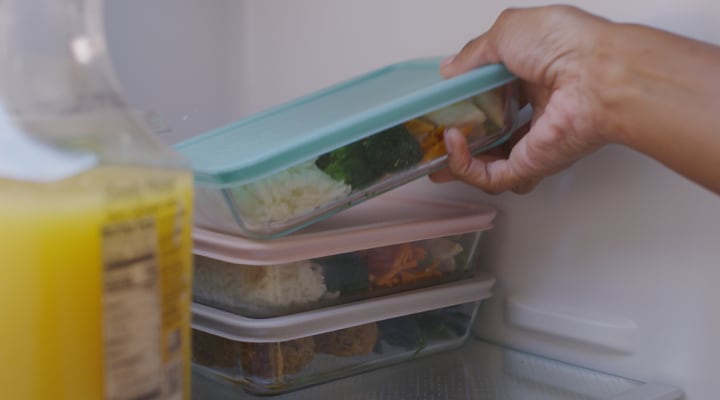
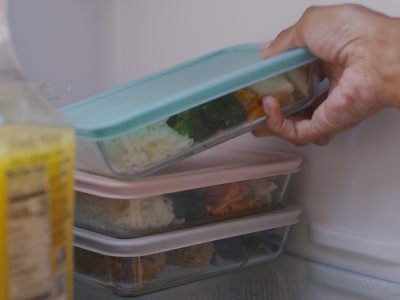
A person placing leftovers in the fridge A person placing leftovers in the fridge

19 foods not to refrigerate

Whether you’re looking to optimize food storage for the week’s meal prepping or keeping a more organized fridge and pantry, it’s important to understand that refrigeration isn’t always the answer. Before storing food, remember to check the packing instructions for specific details on where to place items in your fridge or pantry.

The following list features 19 foods that can and should be stored outside of the refrigerator to help maintain their freshness and flavor.

Apple icon

1. Apples

Apples can stay fresh and delicious for up to a week or two on the counter. After that time frame, store them in the fridge so they remain ready to eat for a little longer.

Avocado icon

2. Avocados

When stored at room temperature, avocados are more likely to ripen faster than when stored in the fridge.

Banana icon

3. Bananas

Bananas should be kept on your countertop, in your pantry or hanging from a banana hook. This will help the bananas become ripe, and prevents the peel from browning as quickly.

Bread icon

4. Bread

When stored in the fridge, bread can become stale. Instead, keep bread on the counter for the first 24 hours, then freeze it and use a toaster to thaw before eating.

Melting chocolate icon

5. Chocolate

When left in the fridge, chocolate may become grainy and have a dull flavor. Instead, opt to store it in a dark, dry place.

Coffee bean icon

6. Coffee

Keep coffee grounds and beans out of the fridge and in an alternate location like inside a sealed container in the pantry to help maintain their flavor.

Garlic icon

7. Garlic

Storing garlic in the fridge can make the bulbs rubbery—instead, keep them in a cool, dry place like the cellar or in a cupboard away from heat sources like your cooktop.

Honey jar icon

8. Honey

Honey can turn hard and lumpy if it is placed in the fridge. To maintain its smooth gooey drip, it’s best to leave honey at room temperature.

Hot sauce icon

9. Hot sauce

Maintain the robust flavor and heat of the peppers by keeping hot sauce out of the fridge and in your pantry, unless instructed otherwise on the packaging.

Melon icon

10. Melon

Allow whole melons to ripen outside of the fridge. (If sliced, however, melon pieces should be refrigerated.)

Nuts icon

11. Nuts

Protect the flavor of nuts like cashews and almonds by stashing them in an airtight container outside of the fridge.

Olive oil icon

12. Olive oil

Olive oil can harden in the fridge. Avoid this by storing in a cool, dark area in your kitchen.

Onion icon

13. Onions

Moisture in the fridge can cause onions to become soft and moldy. Instead, store whole onions in a cool, dry place away from potatoes.

Peanut butter icon

14. Peanut butter

Peanut butter can be kept creamy and spreadable at room temperature for up to three months—then you can place it in the fridge.

Pickle icon

15. Pickles

In general, shelf-stable pickles are already preserved and can often be safely kept in jars outside your fridge until they are opened. Once the jars are opened, store them in your refrigerator.. However, if you have store-bought pickles that you buy in the refrigerated section of your store, it’s often best to keep them refrigerated once you get home, even if you haven’t opened the jar. Always follow the package instructions for refrigeration.

Potatoes icon

16. Potatoes

Because the moisture of the fridge can make them gritty and sweet, potatoes are best kept at room temperature in a paper bag.

Soy sauce icon

17. Soy sauce

The fermentation process involved with soy sauce means you can store it in a cabinet for up to a year. Again, always follow the instructions on your packaging as not every product is the same.

Tomatoes icon

18. Tomatoes

Store whole tomatoes at room temperature outside of the fridge to help protect their flavor and juiciness. Store sliced or cut tomatoes in containers in the fridge.

Vinegar icon

19. Vinegar

High acidity levels of vinegar make it ideal for storing at room temperature.

What are shelf-stable foods?

Shelf-stable foods are items that can be stored on a pantry shelf or in a cabinet for up to one year or longer. Additionally, these items do not have to be cooked or refrigerated before eating.

Many of the examples above can be considered shelf-stable foods. Other examples include canned varieties of meats, fish, fruit and vegetables, as well as a variety of grains like cereal, crackers and granola. Keeping shelf-stable foods like these in your kitchen is an effective way to maintain an organized and uncluttered fridge. Shelf-stable foods also come in handy if you don’t have a working fridge available and still need to store items. Learn more about zero waste cooking for more tips on reducing food waste.

How do I ensure proper food storage in my refrigerator?

It is important to store food in the right place to help ensure the right taste and texture. Arrange your refrigerator in such a way that it facilitates proper food storage and helps minimize potential spoilage.

For optimal food storage, it is generally advised to keep the top shelves clear for prepared foods, leftovers, and other items that are ready to eat while lower shelves are generally cooler and reserved for raw ingredients such as meat. Learn more about how to store lettuce to help make it last longer in the refrigerator.

Explore Whirlpool® refrigerators

Whirlpool® refrigerators come in a variety of options and styles designed to help you keep your kitchen organized and optimize food storage. Get the space you need with purposeful storage zones that help you organize fresh and frozen foods. Browse the full collection of French door, side-by-side, top-freezer and bottom-freezer refrigerators by Whirlpool brand to find the one that’s right for your home.

Was this article helpful? Pass it on

Explore more with Whirlpool brand

Gold home heartbeat logo over image of a tablet with Whirlpool blog page displayed in the background Gold home heartbeat logo over image of a tablet with Whirlpool blog page displayed in the background

home heartbeat

Ready for more tips, home hacks and appliance guides?