









 New Code Sent!

Whirlpool® Washers and Dryer Sets
Laundry pairs made to match with complementary features and style

Designed to work together for you
Matching washer and dryer sets help you manage laundry thanks to shared cycles and other convenient features that keep your day moving. Fit large washer loads in dryers with complementary capacities, and match up color options for a seamless look.
Front load vs. top load laundry sets
Whirlpool® Washer and Dryer Sets offer innovative features to meet your family’s needs. Choose from front load and top load sets so you can wash and dry the way you want.
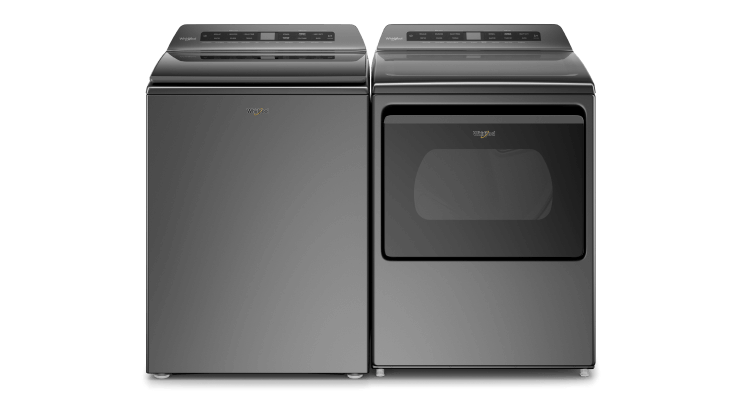
Top load sets
• Your choice of wash action with impeller, agitator or 2-in-1 Removable Agitator
• Faster cycle times on select models
• Extra-large capacities
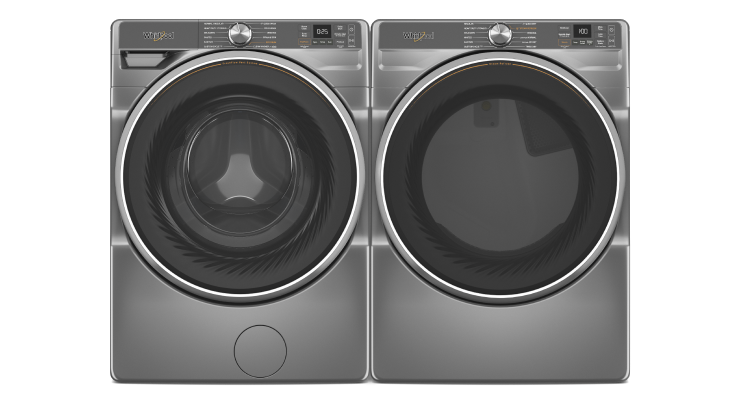
Front load sets
• Gentle tumbling wash action for optimal fabric care
• Uses less water per washer load
• Pedestals and stackable options
Top load washer and dryer sets
Whirlpool® Top Load Washers and Dryers let you customize cleaning and do it all in fewer steps with time-saving features and your choice of an impeller, agitator or the 2 in 1 Removable Agitator. Select washer models include a Built-In Faucet, Bulk Detergent Dispenser, Deep Water Wash option and more. Matching gas dryers or electric dryers feature complementary capacities and controls to help streamline your laundry routine.
These electric pairs have the capacity and features to handle everyday loads.

2-in-1 Removable Agitator Electric Top Load Set
WTW4307SW & WED4307SW
Keep laundry going with a 2-in-1 Removable Agitator in the washer and Adaptive Dry in the dryer.

Agitator Electric Top Load Set
WTW5015LW & WED5010LW
Soak and wash in one cycle and help prevent overdrying with a sensor that detects the right amount of dryness.

2-in-1 Removable Agitator Electric Top Load Set
WTW6157PB & WED6150PB
Get twice the washer with a removable agitator and help prevent overdrying with Moisture Sensing.

2-in-1 Removable Agitator Electric Top Load Set
WTW8127LW & WED8127LW
Wash with your choice of an agitator or impeller and get added protection against overdrying with Advanced Moisture Sensing.
These gas pairs have the capacity and features to handle everyday loads.

2-in-1 Removable Agitator Gas Top Load Set
WTW4307SW & WGD4307SW
Keep laundry going with a 2-in-1 Removable Agitator in the washer and Adaptive Dry in the dryer.

WTW5010LW & WGD5010LW
Soak and wash in one cycle and help prevent overdrying with a sensor that detects the right amount of dryness.

2-in-1 Removable Agitator Gas Top Load Set
WTW6157PB & WGD6150PB
Get twice the washer with a removable agitator and help prevent overdrying with Moisture Sensing.
2-in-1 Removable Agitator Gas Top Load Set
WTW8127LW & WGD8127LW
Wash with your choice of an agitator or impeller and get added protection against overdrying with Advanced Moisture Sensing.


Front load washer and dryer sets
Whirlpool® Front Load Washers and Dryers offer flexible installation and features that let you manage laundry your way. Stackable pairs fit in small spaces, and pedestals add extra storage and easier loading, while select models keep clean clothes fresh in the washer and wrinkle-free in the dryer. Match your washer’s power source by choosing an electric dryer or gas dryer for streamlined installation and compatible cycles.
Features like the FreshFlow™ Vent System and the Steam Refresh cycle available on select electric pairs help keep laundry fresh and wrinkle-free.

WFW4720RW & WED4720RW
Help make laundry day easier with features like the Tumble Fresh Option and the Wrinkle Shield™ option.

WFW5720RR & WED5720RR
Get the features you need to tackle laundry with the FreshFlow™ Vent System and AI Intelligent Wash and Dry.

WFW6720RR & WED6720RR
Keep your laundry fresh with features like the FreshFlow™ Vent System and Steam Refresh cycle.

WFW560CHW & WED560LHW
Get installation flexibility with a space-saving design and long vent dryer that’s ideal for apartments or condos.
Keep up with the day to day with features like the Quick Wash Cycle and Wrinkle Shield™ Option available on select gas pairs.
WFW4720RW & WGD4720RW
Help make laundry day easier with features like the Tumble Fresh Option and the Wrinkle Shield™ Option.
WFW5720RR & WGD5720RR
Get the features you need to tackle laundry with the FreshFlow™ Vent System and AI Intelligent Wash and Dry.
WFW6720RR & WGD6720RR
Keep your laundry fresh with features like the FreshFlow™ Vent System and Steam Refresh cycle.

WFW560CHW & WGD560LHW
Get installation flexibility with a space-saving design and long vent dryer that’s ideal for apartments or condos.


Add convenient storage with a laundry pedestal
Give your Whirlpool® Front Load Washer and Dryer a lift with laundry pedestals. These raised platforms make loading easier and can offer a convenient storage space for your laundry supplies and accessories.
Commercial washer and dryer sets
Do you own a business with laundry needs? Whirlpool brand offers Commercial Washers and Dryers built with commercial-grade parts to handle heavy usage. Non-pay, coin drop and coin slide options are available in a variety of configurations to fit your space and your business.

Commercial Electric Front Load Set
CHW9150GW & CED9150GW
Whether you own a laundromat, hotel, fitness center, spa or residential real estate, this commercial electric front load set offers quality, convenience and reliability.

CHW9160GW & CGD9160GW
This commercial front load set combines the constant, reliable action of the drive system with regular cycle times with the microprocessor controls that offer easy, streamlined use.

Commercial Electric Top Load Set
CAE2745FQ & CEM2745FQ
Give your customers a commercial-grade top-load washer and electric dryer that simply gets the job done—backed by a reputable name like Whirlpool.

CAE2795FQ & CGM2795JQ
Provide amenities to tenants or clients with this washer and gas dryer set. Built with commercial-grade parts, this set is made to handle multiple loads a day.


Laundry accessories for your matching pair
Keep laundry day moving with washer and dryer accessories for your Whirlpool® Appliance. From installation kits and cleaning products to Whirlpool Corporation Genuine Parts, we’ll help you care for your family year after year.
Didn’t find what you were looking for?
Keep browsing to find the washer or dryer best suited for your family’s needs:
Learn more about washer and dryer sets
Explore this collection of helpful guides to select the right washer and dryer for your family.
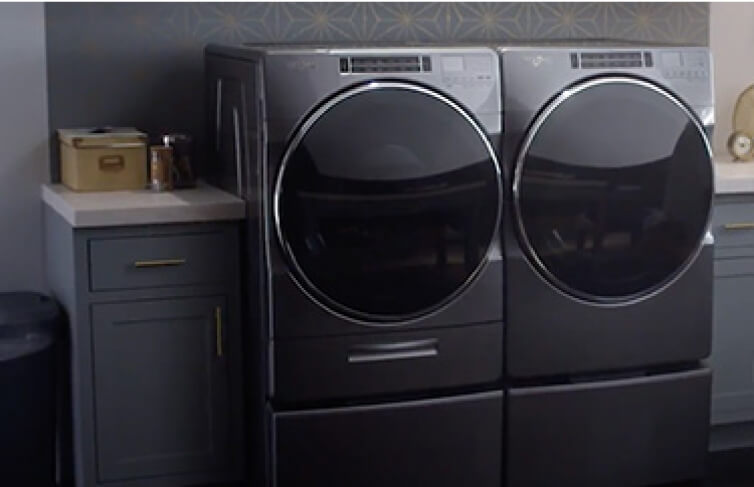
Washing machine buying guide
Wondering what type and size washing machine you need? This washing machine buying guide breaks down the different types of washing machines, sizes and features to help you decide.
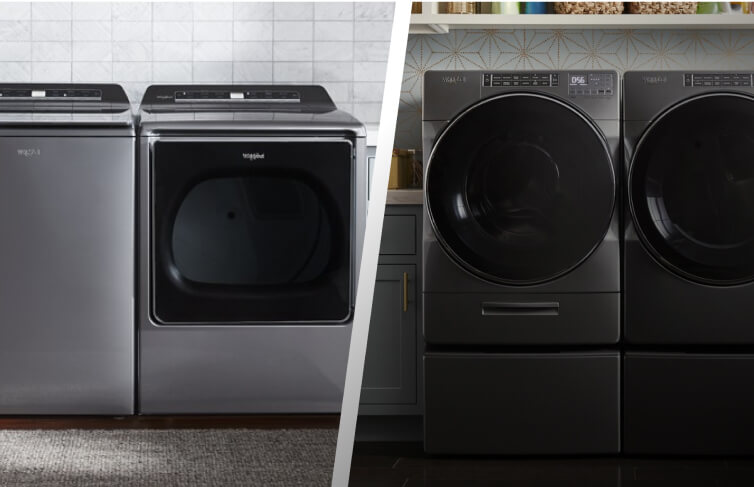

Front load vs. top load washers
Our guide will help you learn the differences between front load and top load washers and help you decide which is best for your home.
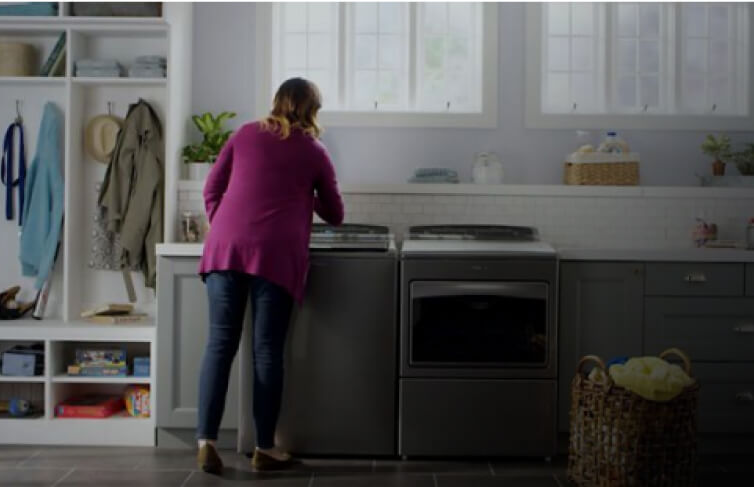
Gas vs. electric dryers
Learn the differences between gas and electric dryers, including hookups required, efficiency considerations, operating costs and more.
Why buy from Whirlpool.com

0% APR financing available✦

Whirlpool Repair Services through W Service

Free 15 day returns on major appliances❋
Save time and do laundry more efficiently with Whirlpool® Washer and Dryer Sets
Matching washer dryer sets from Whirlpool brand provide a variety of benefits that make it easier to check off more on the to-do list. Large capacities for both top load and front load washer and dryer sets let you clean more in a single load. Save time and clean clothes just the way you want with features like a bulk detergent dispenser, built-in faucet and pretreat brush, smart features and more. And with flexible installation and matching color options, you’ll find just the right washer dryer set for your home. Explore our washer and dryer sets on sale today to upgrade your laundry room.
1. Based on a 8-lb load.

